What the funnel shows about fallout
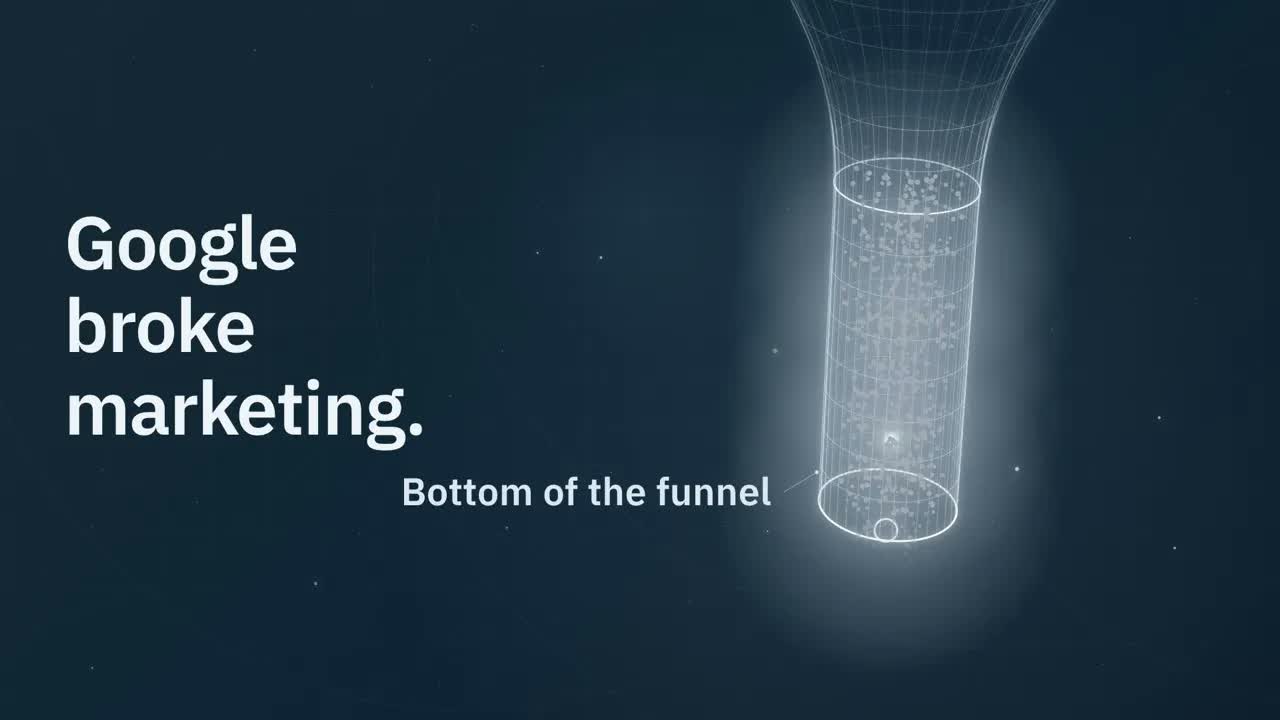
A marketing funnel organizes a company's stages, commonly awareness, consideration, and conversion. Many potential customers enter at the wide end and fewer remain at each stage. Most fall out and are lost. A funnel is usually drawn that way, and the drawing is accurate: fallout is real, and a company that counts it stage by stage learns where its process loses the most people.
That count is worth keeping. A drop between consideration and conversion points to a different part of the company's work than a drop between awareness and consideration. Comparing the stages over time shows whether a change to the process made a difference. This is what the funnel is for, and the Marketing Helix does not replace it.
What the count records is a position: the last stage a customer reached. It is a summary of the company's process, and it is useful for measurement. It does not show what was happening to the customer at the moment they left.
What the funnel does not show
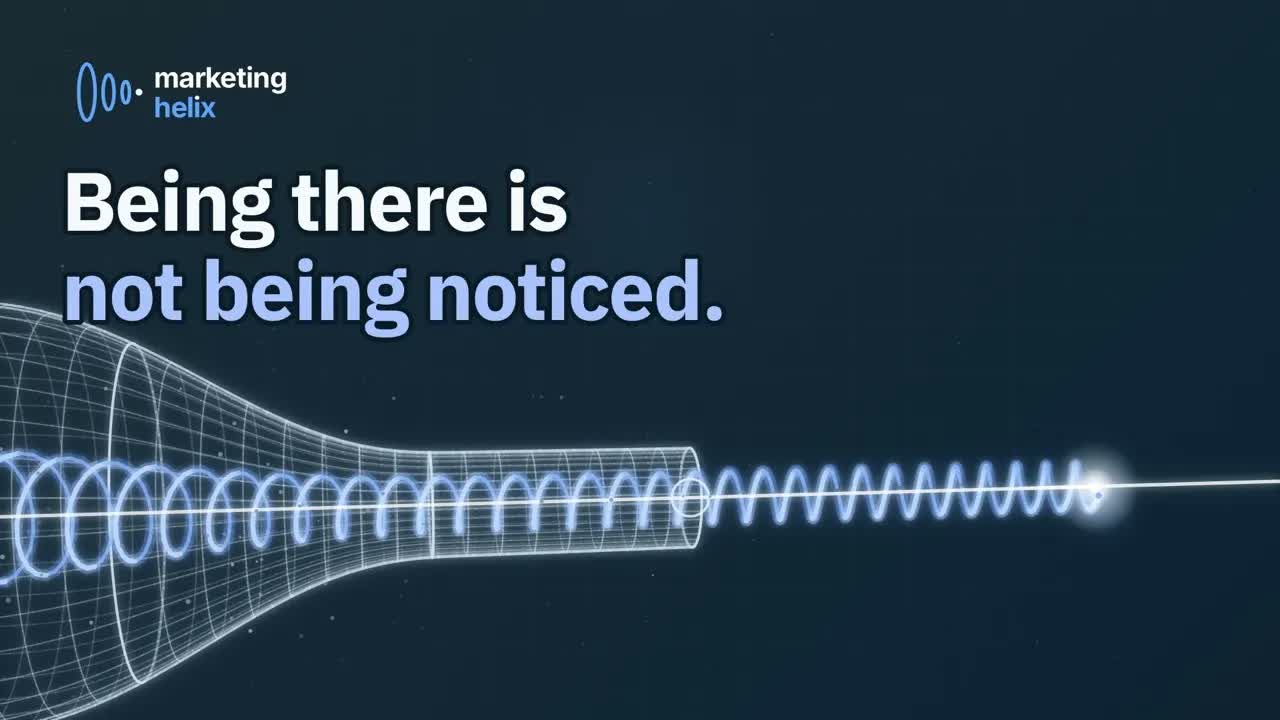
Inside each stage, conditions change for the person. Trust in the company can strengthen or weaken. A need can become urgent or fade. A message that fit the customer's situation last month may not fit it now. The Marketing Helix gives these changing conditions a place in the explanation, and it names three of them: trust, relevance, and timing.
In the model, a customer tends to draw a message closer when enough of all three hold at the same moment. When one is missing, the message can pass without being considered, and the customer may leave the funnel at that stage. The stage count looks the same in each case. A customer who did not believe the claim, a customer for whom the offer did not apply, and a customer who was not ready to decide are each recorded as one fewer at the next stage. These are three possible examples, not the three kinds of customer.
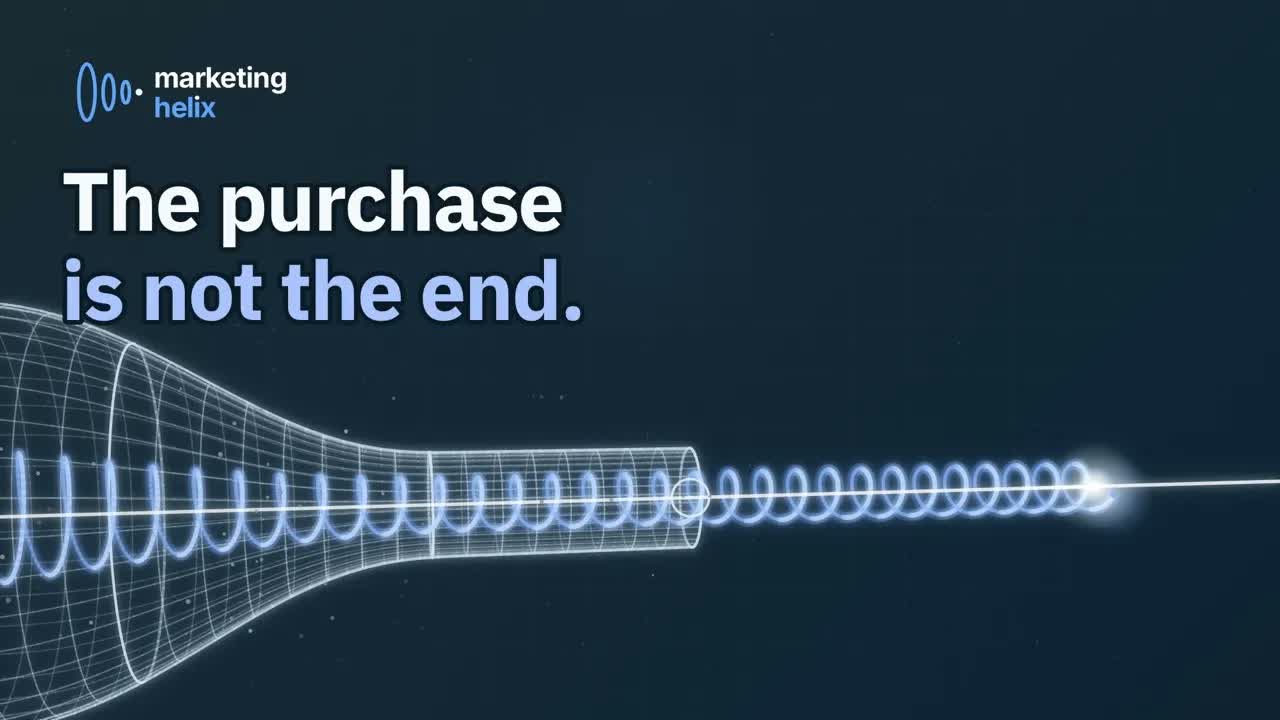
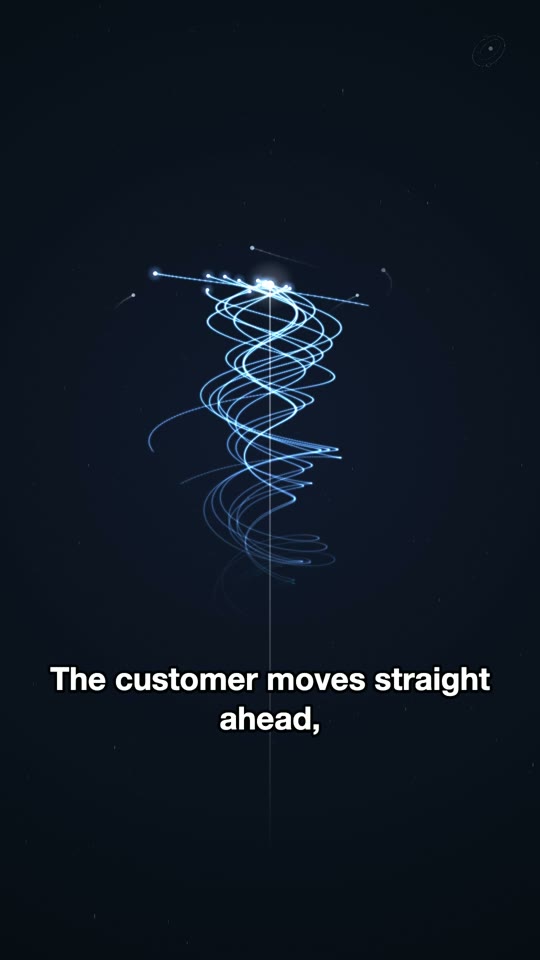
The customer is also moving before the first measured contact and keeps moving after leaving. Someone who falls out of the funnel may buy elsewhere, may decide not to buy at all, or may return later through a different channel. Depending on how a company records contacts, a return can appear as a new entry. The Marketing Helix describes that person as one of its customers in motion, the same individual throughout.
What a company can do with both pictures
The two pictures answer different questions. The funnel answers where customers leave. The Helix helps a company investigate what may have been happening when they left. Used together, a low conversion rate at one stage becomes a question to investigate: was it trust, relevance, timing, or something else?
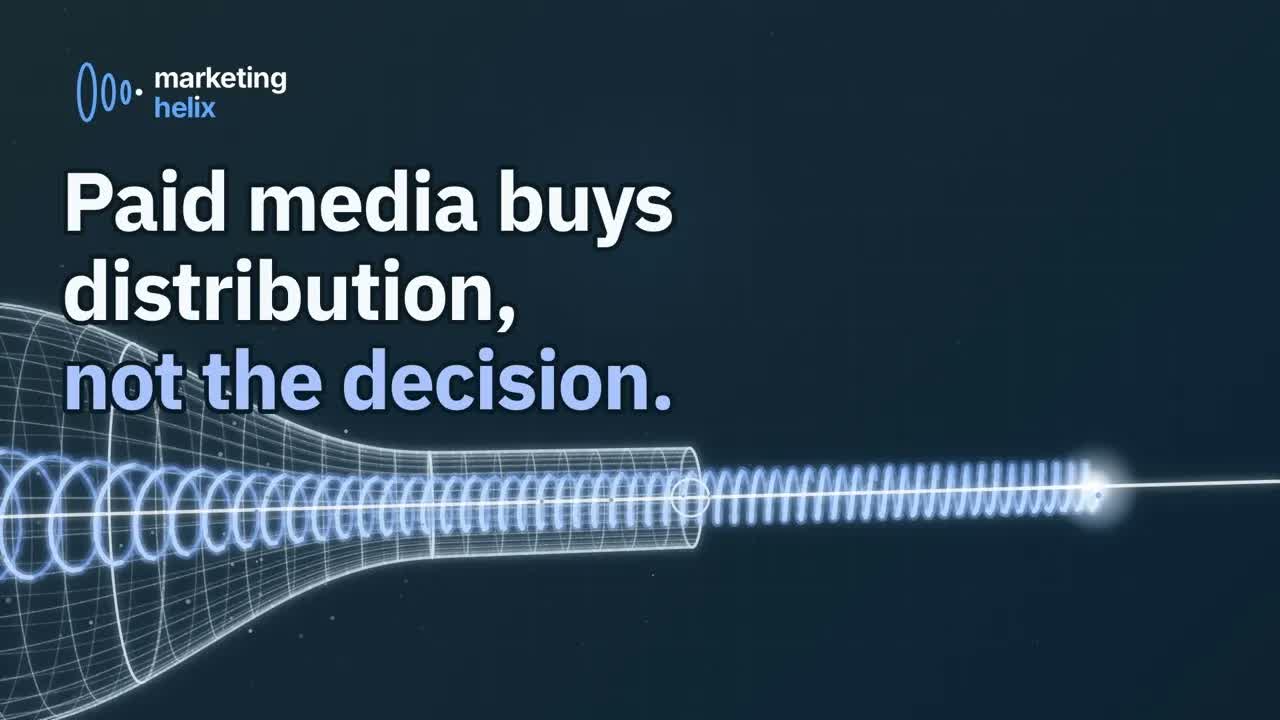
One common response to fallout is to bring more potential customers in at the wide end. That can raise the number of purchases, and it is often a reasonable choice. It does not change the conditions inside the funnel. If customers are leaving because a claim is not believed, more reach tends to deliver the same claim to more people who do not believe it. Looking at the conditions first can show whether volume is the right remedy.
Evidence matters here. Reviews, the questions customers ask, replies to sales staff, and what returning customers say they did in the interval are the kinds of evidence a company can collect. The model suggests where to look. Keep the funnel to measure progression. Use the Helix to investigate what influences it.
Where this does not hold
The Marketing Helix is a descriptive model, not a measurement. It describes patterns and possible explanations, and it cannot establish why a particular person left without direct evidence. Trust, relevance, and timing are conditions that affect response. They are not the only reasons a customer leaves: price, the offer itself, another option, a budget, or a poor experience can each be the reason, and the model should not be used to explain those away. Modern funnels and customer lifecycle systems can also represent returns, drop off, and stages after the sale, so the simple acquisition funnel described here is one illustration and not every funnel in use.
More from The Marketing Helix
 1:41What does the Marketing Helix add to the marketing funnel?
 0:15What decides which marketing messages get through?
 0:16Why is the Marketing Helix shaped like a helix?
Questions
Why do most customers fall out of a marketing funnel?
Most potential customers who enter a marketing funnel do not reach the purchase. The reasons vary by customer: the need was not urgent, the offer did not fit, the claim was not believed, the price was too high, or another option was chosen. The funnel shows the stage where each customer left. The Marketing Helix describes the conditions that may have been changing for that customer at the time, chiefly trust, relevance, and timing.
Does the Marketing Helix replace the marketing funnel?
No. The marketing funnel is a useful summary of the company's process and is kept for measuring progression through its stages. The Marketing Helix does not replace the funnel. It describes what is happening inside it: customers in motion, whose trust, need, and readiness can change within a stage, before the first measured contact, and after the purchase.
What does a funnel not show about a customer who leaves?
A funnel records the last stage a customer reached. It doesn't show what was happening to that customer: whether trust weakened, whether the message applied to their situation, or whether the moment was wrong. It also does not usually show what the customer did afterward. The Marketing Helix gives those conditions a place in the explanation, and a company still needs direct evidence to know which of them applied.
Transcript
For a century, marketing pictured the customer as a funnel. Pour people in at the top, and watch most fall away. The Helix begins from the opposite premise. We do not drop the customer into a system. We follow the customer, who is already in motion. The model for customers in motion.
Narration is a synthetic voice.